
News
-


Bass Fishing Ledges for Beginners
The problem bass fishing ledges for beginners solves is casting at the bank line instead of the actual offshore break. Around an offshore break where the top, side, and bottom of the ledge each fish differently, a bait that looks right in your hand can still fail if it enters the water at the wrong angle, moves too fast, or loses contact before a bass can commit. -


When to Use a Shaky Head
Picture a cast landing beside a hard-bottom point, brush edge, or pressured dock row. The line comes tight, the bait starts through clean rock, sparse brush, and dock shade, and a bass has only a short window to decide. When to use a shaky head should be set up so that window stays clean instead of rushed or buried. -


Shaky Head Weight Size Guide
On clear or pressured water, shaky head weight size changes with fish position. Bass that were willing to chase in open water may slide tighter to pea gravel, brush stems, and rock cracks, suspend above a cleaner lane, or hold on the first edge they can use without wasting energy. -


Shaky Head Troubleshooting
Shaky head troubleshooting is not just better or worse than another option; it is better for a specific job. Compared with a faster, heavier, or louder approach, this choice earns its place when fixing every problem with a bait change instead of reading the repeated failure matters more than covering empty water. -


Shaky Head Rig for Bass
A useful way to think about shaky head rig for bass is a quiet stretch of bank where one cast keeps getting close but not quite right. The bait reaches a hard-bottom point, brush edge, or pressured dock row, touches the edge, and something in the setup either helps it look natural or pulls it away too soon. -


Shaky Head Around Rock and Brush
The common mistake with shaky head around rock and brush is changing gear before reading the target. If the bait is supposed to work through a rocky transition with scattered brush, the first job is not to be perfect; it is to keep a worm that ticks cover and pauses upright alive long enough for a bass to make a clean decision. -

Monofilament Vs. Braided Fishing Line: Which One Should You Use?
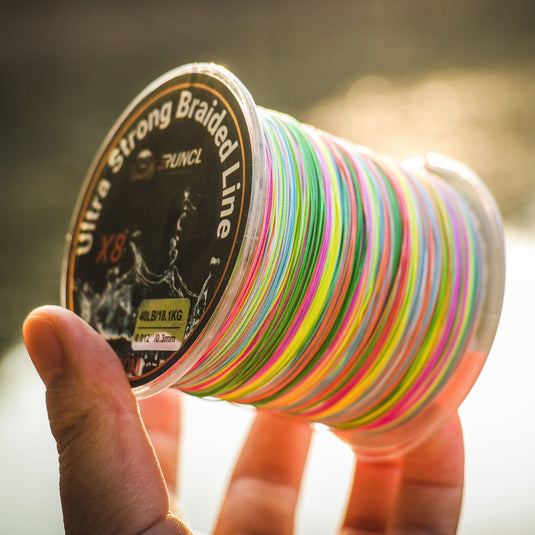
When you go fishing, there are a lot of different tools and supplies that you take with you. You might pack bait, hooks, rods, reels, and more - but there are two types of fishing line that you should always have on hand: monofilament and braided fishing line. Each one has its advantages and disadvantages when it comes to fishing. Read on to learn more about the differences between these fishing lines! -


Fishing Gloves: How to Choose the Optimal Pair of This For 2023
If you're a fishing enthusiast, then you know that having the right gear is essential for a successful trip. One of the most important pieces of gear for any fisherman is a good pair of fishing gloves. -


4 Creative Tips to Prevent Fishing Rod Guides from Freezing (updated for 2023)
Here are 4 of our favorite ways to prevent fishing rod guides from freezing. These methods are not just for ice fishing. They can be applied for any frozen situations in cold weather. -


【waterproof】Cold Weather Fishing Gloves | Best Fishing Gloves in 2021
The weather is getting colder and colder, but the angler's enthusiasm for fishing cannot be resisted. Get the RUNCL cold weather fishing gloves, 3 cut finger design with touchscreen and plush lining soon! -


Fishing Gloves: What Kind Of Gloves Do You Use For Fishing? (2022 Updated)
A good pair of fishing gloves will keep your hands protected. RUNCL fishing gloves protect on your hands can save them from line cuts, hook sticks, sun exposure, fish teeth, and sharp fins. -


Should you wear fishing gloves?
When anglers choose fishing equipment before go out fishing, they may choose fishing rod, fishing reels, baits, fishing line, tackle box, and so on. However, the fishing gloves are always forgotten.


